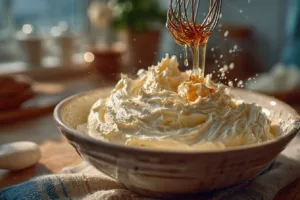
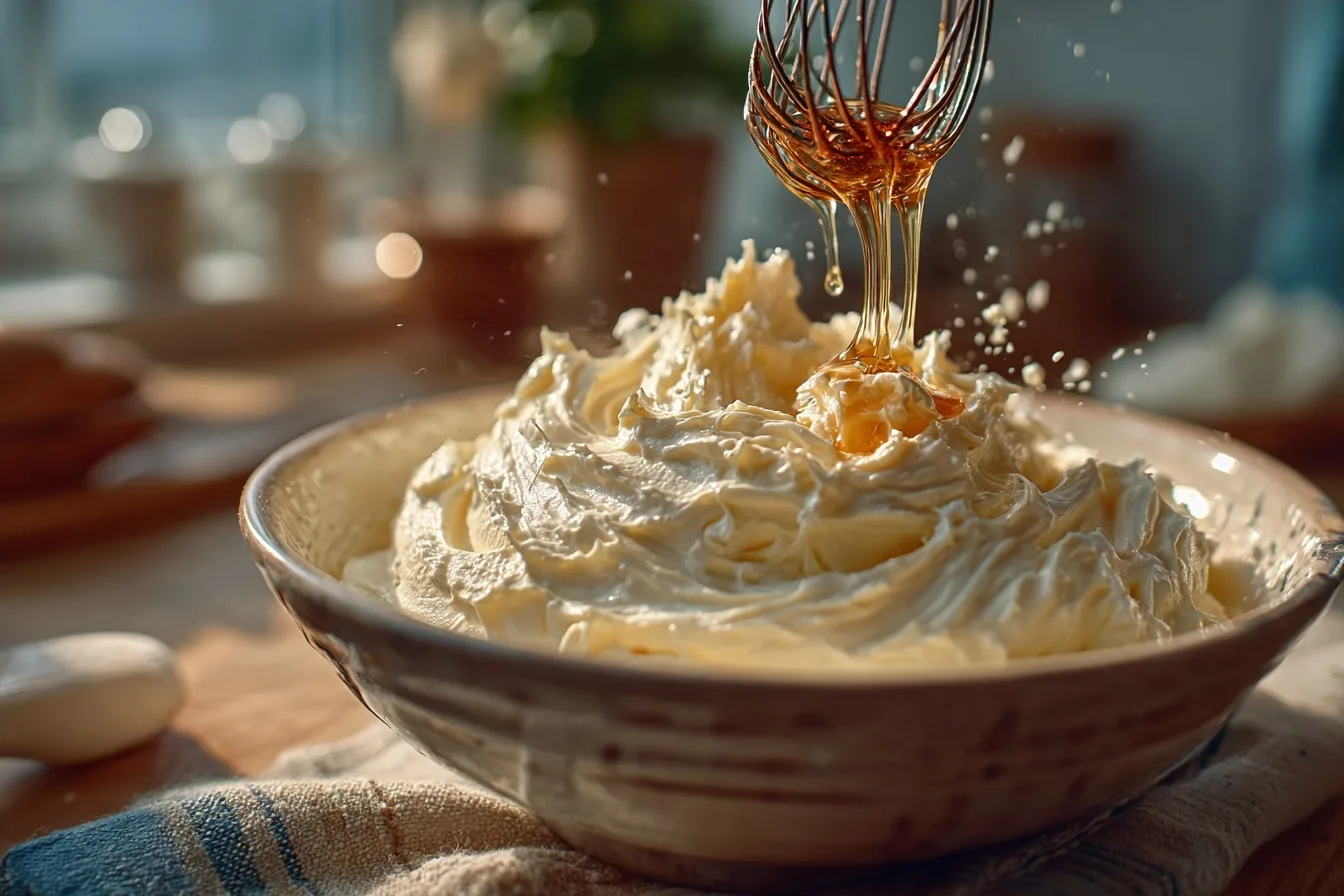
Learning how to make buttermilk is a simple process that requires only two basic ingredients to mimic the tangy, cultured dairy product found in grocery stores. This homemade liquid acidifies milk, providing the necessary lift and tenderness for pancakes, biscuits, and cakes. You achieve a perfect substitute in minutes by curdling fresh milk with a common pantry acid. Home cooks save money and avoid extra trips to the market by mastering this essential kitchen technique.
| Category | Details |
|---|---|
| Prep Time | 5 minutes |
| Cook Time | 0 minutes |
| Total Time | 15 minutes |
| Servings | 1 cup |
| Difficulty | Easy |
| Cuisine | American |
Why This Recipe Works
This recipe provides a reliable way to get the acidic reaction needed for leavening agents like baking soda to work effectively. Many baking recipes rely on the chemistry between buttermilk and baking soda to create fluffy textures, but commercial buttermilk is often unavailable in smaller households. Using this quick method avoids waste and keeps your baking schedule on track without buying a full quart.
I personally use this method every weekend when making waffles for my family. The acidity tenderizes the gluten in flour, which leads to a softer crumb than plain milk could ever provide. You will find that the flavor profile remains consistent with store-bought versions while maintaining a fresh quality that lasts for several days in your refrigerator.
Ingredients
| Ingredient | Quantity | Notes |
|---|---|---|
| Whole Milk | 1 cup | Use 2% for a lighter texture |
| White Vinegar | 1 tablespoon | Lemon juice is a suitable alternative |
Step-by-Step Instructions
Preparation
- Measure one cup of fresh whole milk into a liquid measuring cup or a small mixing bowl.
- Add exactly one tablespoon of white vinegar or fresh lemon juice to the milk.
Resting
- Stir the mixture gently with a spoon until the ingredients are fully combined.
- Allow the milk to sit undisturbed on your kitchen counter for at least ten minutes.
Testing
- Observe the liquid for signs of thickening and small, curdled bits forming throughout.
- Check the consistency to ensure the mixture has reached a slightly viscous state before adding it to your dry ingredients.
Chef Tips for Perfect Results
- Use full-fat milk to replicate the richness and body of traditional fermented buttermilk found in dairies.
- Stir the milk immediately after adding the acid to create even distribution throughout the liquid.
- Avoid moving the bowl while the milk rests to allow the proteins to coagulate without interruption.
- Measure your acid precisely because adding too much can result in an overly sharp and metallic aftertaste in your finished baked goods.
- Combine the milk and acid in a glass or ceramic container to avoid any chemical reactions that might occur with reactive metal bowls.
Common Mistakes to Avoid
Using milk that is near its expiration date can sometimes lead to an unpleasant smell when mixed with acid. Always verify your milk is fresh to maintain a clean, tangy flavor profile in your recipes.
Rushing the resting period is another frequent error that prevents the necessary curdling from taking place. Give the mixture the full ten minutes to ensure the acid has adequate time to interact with the milk proteins.
Skipping the stirring step leaves the acid sitting on the surface instead of spreading through the liquid. Use a spoon to integrate the components thoroughly for consistent results every time you bake.
Using low-quality, imitation vinegar often contains additives that can cloud the flavor. Select pure distilled white vinegar or freshly squeezed lemon juice to keep the result neutral and effective.
Variations and Substitutions
| Ingredient | Substitution | Impact on Flavor |
|---|---|---|
| White Vinegar | Apple Cider Vinegar | Adds a subtle fruity note |
| Whole Milk | Soy Milk | Creates a vegan-friendly version |
| Lemon Juice | Cream of Tartar | Provides acidity without adding extra liquid |
Serving Suggestions and Pairings
Homemade buttermilk acts as the foundation for perfect buttermilk biscuits served during breakfast gatherings. It also works beautifully in savory cornbread or tender chocolate cake recipes. Pair these finished goods with fresh berries or honey butter to highlight the tanginess that buttermilk brings to your palate.
Storage and Reheating
| Method | Duration | Instructions |
|---|---|---|
| Refrigerator | 3 to 5 days | Keep in a sealed airtight jar |
| Freezer | Up to 3 months | Freeze in ice cube trays for easy portioning |
Nutritional Information
Approximate values per serving.
| Nutrient | Amount per Serving |
|---|---|
| Calories | 150 kcal |
| Protein | 8g |
| Fat | 8g |
| Carbohydrates | 12g |
Frequently Asked Questions
Can I use almond milk to make vegan buttermilk?
Yes, you can substitute almond or soy milk for dairy milk in this recipe. The acid will still react with the proteins, although the thickness may vary slightly from dairy-based versions.
How do I know when the buttermilk is finished?
The mixture is finished when you see tiny curdled bits throughout the milk and the texture becomes slightly thicker. This process indicates the acid has successfully performed its job.
What is the best way to fix bitter buttermilk?
If your mixture tastes overly bitter, you likely added too much acid during the preparation phase. Reduce the amount of vinegar by half a teaspoon in your next batch to balance the flavor.
Can I prepare this in advance for weekly baking?
Yes, you can keep your buttermilk in the refrigerator for up to five days. Stir the mixture well before use, as the components may settle during storage.
Will this work for every baking recipe?
This method works perfectly for almost any recipe calling for buttermilk as an acidic leavening agent. It mimics the functional properties of cultured buttermilk, providing both lift and moisture to your dough.
Conclusion
Learning how to make buttermilk provides a simple, effective solution for your baking needs without requiring store-bought products. By combining milk with a touch of acid, you create the chemistry necessary for light, fluffy textures in your favorite dishes. This homemade version remains a staple in my kitchen for its reliability and efficiency. Grab your ingredients, follow the steps, and enjoy the distinct, tangy flavor that only fresh buttermilk can bring to your home-cooked meals.
Print
Homemade Acidified Buttermilk Substitute
- Total Time: 15
- Yield: 1 cup 1x
- Diet: Vegetarian
Description
Master the art of creating your own buttermilk at home with this simple, two-ingredient technique. Perfect for baking fluffy pancakes, biscuits, and waffles, this mixture uses the reaction between milk and an acid to mimic the tang and leavening properties of store-bought cultured buttermilk. It is an essential, money-saving kitchen hack that ensures you never have to pause a baking project just because you are out of specialty dairy.
Ingredients
1 cup whole milk
1 tablespoon white vinegar (or fresh lemon juice)
Instructions
Measure one cup of fresh whole milk into a liquid measuring cup or small bowl.
Add exactly one tablespoon of white vinegar or fresh lemon juice to the milk.
Stir the mixture gently with a spoon until the ingredients are fully combined.
Allow the mixture to sit undisturbed on your counter for at least ten minutes.
Observe the liquid to ensure it has reached a slightly viscous state with small, curdled bits before using in your recipe.
Notes
Use full-fat milk for a richer result, though 2% works for a lighter texture. The acid tenderizes gluten in flours, resulting in a softer crumb in your finished baked goods. Store in the refrigerator for up to several days.
- Prep Time: 5
- Category: Trending
- Method: Mixing
- Cuisine: American
Nutrition
- Serving Size: 1 cup
- Calories: 150
- Sugar: 12g
- Sodium: 105mg
- Fat: 8g
- Saturated Fat: 5g
- Carbohydrates: 12g
- Fiber: 0g
- Protein: 8g
- Cholesterol: 25mg